
When storm season rolls through the mountains, roof damage becomes a significant concern for property owners. Wind and hail storms can compromise the integrity of both residential and commercial roofs. Recognizing early signs of damage is essential to protecting your investment, extending your roof’s lifespan, and avoiding unexpected repair costs. Here is how to spot storm-related roof issues, along with steps to take if your roof has suffered wind or hail damage.
Common Signs of Wind and Hail Damage
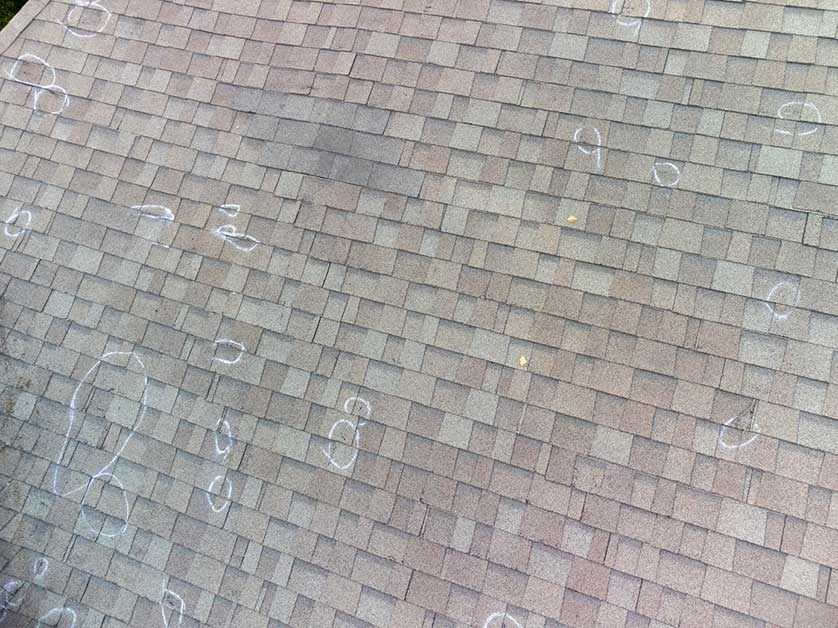
Wind and hail leave behind specific clues that distinguish storm damage from everyday wear and tear. Sharp wind gusts can lift shingles or seams, while hail can bruise or puncture roofing materials. Look for the following indicators after a severe storm:
- Shingles that are cracked, missing, or curled at the edges
- Dents, bruising, or impact marks, especially on metal flashing or asphalt shingles
- Granule loss from shingles, leaving exposed and discolored patches
- Water stains or spots forming inside the attic or along ceilings shortly after high winds or hail
- Soft spots on flat roofs, which can signal membrane damage on commercial buildings
Local roofers often observe that hailstones as small as a quarter can compromise the functionality of asphalt shingles, and wind-blown debris can cause punctures on commercial roofing systems.
How Wind and Hail Specifically Affect Commercial Roofing
Because of their larger surface area and typically flatter profiles, commercial roofs are especially susceptible to storm damage. Commercial roof installation professionals often find that:
- Single-ply membranes may develop tears or seam separations during high winds.
- Ponding water and membrane dents may result after a heavy hailstorm.
- Flashing around HVAC or skylight units can loosen, leading to an increased risk of leaks.
For businesses, identifying these issues early is crucial to preventing disruptions, safeguarding interior assets, and maintaining energy efficiency.
What to Do After Spotting Storm Damage
After a significant weather event, a timely response can make all the difference in minimizing the roof replacement cost that property owners might face. Recommended steps include:
- Document the damage with clear photographs from the ground or attic space.
- Contact a reliable roofing contractor for an on-site inspection.
- Avoid attempting DIY repairs, as this can void warranties and increase the risk of personal injury.
- Secure temporary coverage if leaks are present, but prioritize scheduling professional repairs.
Working with an established contractor who understands the local climate and construction codes is vital. Balken Roofing frequently assists both homeowners and commercial clients with insurance claims documentation and repair solutions that align with regional best practices.
Roof Repair Solutions and Prevention Tips
Proactive maintenance can reduce the likelihood of future storm-related issues. Reliable roof repair service providers recommend:
- Scheduling annual roof inspections, especially before and after storm season
- Keeping gutters and downspouts clear to prevent water backup during severe weather
- Trimming overhanging branches that can scrape roofing materials during high winds
- Replacing damaged flashing and addressing loose shingles promptly
Balken Roofing has observed that property owners who invest in quality roofing materials and routine inspections often experience lower repair costs over time and enjoy greater peace of mind during the region’s more volatile months.
Schedule Your Storm Damage Inspection Today
If you suspect your property has suffered wind or hail damage, contact Balken Roofing for a detailed inspection. Our team offers trusted guidance and professional service for all your roofing needs in Swannanoa, NC, from storm damage assessment to replacement and maintenance. Protect your investment and ensure the safety of your building with local expertise you can rely on. Give us a call at (828) 628-0390 or fill out our contact form to get started.